

The common explanation for why professionals outperform retail traders is that they forecast better. It is a comfortable theory, because it implies the gap could be closed with a better indicator or a sharper opinion. It is also mostly wrong.
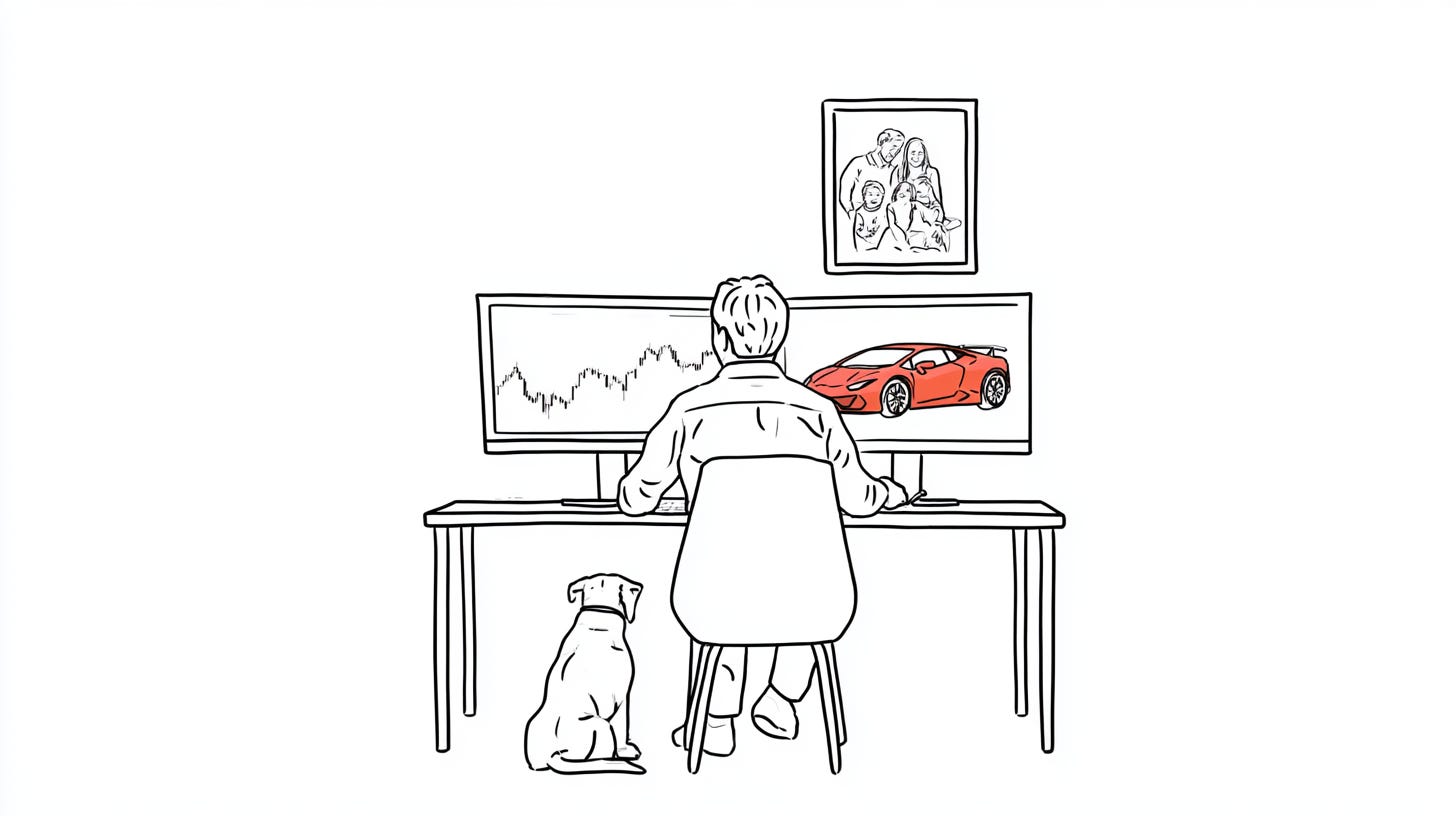
The durable difference is posture toward volatility. Retail traders experience volatility as something that happens to them: sudden drawdowns, emotional decisions under pressure, forced exits at the worst possible moment. Professional desks treat the same phenomenon as raw material, a permanent feature of markets to be measured, budgeted, and structured around. Nearly everything else in the performance gap follows from that single difference.
In practice, the professional posture looks like defined risk per position fixed before entry, volatility targets set at the portfolio level rather than improvised trade by trade, and structures built to survive adverse moves instead of merely profiting from favorable ones. The goal is not avoiding volatility, which is impossible. It is staying solvent and rational when volatility arrives. A book that survives turbulence keeps the option to act later. A book that does not survive forfeits every future decision at once.
How retail accounts deteriorate is remarkably consistent, and it is rarely one catastrophic forecast. It is structural. Positions sized too large for the account. Trades entered with no defined downside. Decisions reacting to price instead of anticipating it. In calm markets these habits can look fine, which is exactly what makes them dangerous. When volatility rises they fail together: comfortable sizing becomes intolerable, the undefined stop becomes a moving target, and the plan gets abandoned. At that point the market is managing the trader, not the other way around.
That gap between how trading feels and how it works is what the fast-money industry exploits. The pitch is always some version of large returns, little risk, no meaningful drawdown. The common thread is the implication that volatility can be removed. It cannot. A track record with no visible drawdown is a question to investigate, not a feature to admire.
Watch actual professionals and the surface impression is almost dull: smaller positions, documented and repeatable process, incremental gains compounding, risk limits respected rather than renegotiated mid-trade. That restraint is precisely what keeps the book intact when a regime turns. Retail trading tends to look more exciting right up until then. The excitement and the fragility are the same property, observed at different points in the cycle.
Volatility control is necessary but not sufficient. The second pillar is reading structure before committing capital: the broad market first, then sector and industry leadership, then the individual stock. Strong industries produce a higher share of strong stocks, and drawdowns are easier to control when exposure sits in genuine leadership rather than fading themes. Working from data on where strength actually sits, instead of from narrative, is what separates observation from opinion.
Three principles compress the difference. Process over prediction. Structure over narratives. Risk over conviction. None of them promise an outcome, and that restraint is the point: the job of a sound process is to keep you solvent and rational long enough for it to express itself.
Full research and methodology at imgeld.com